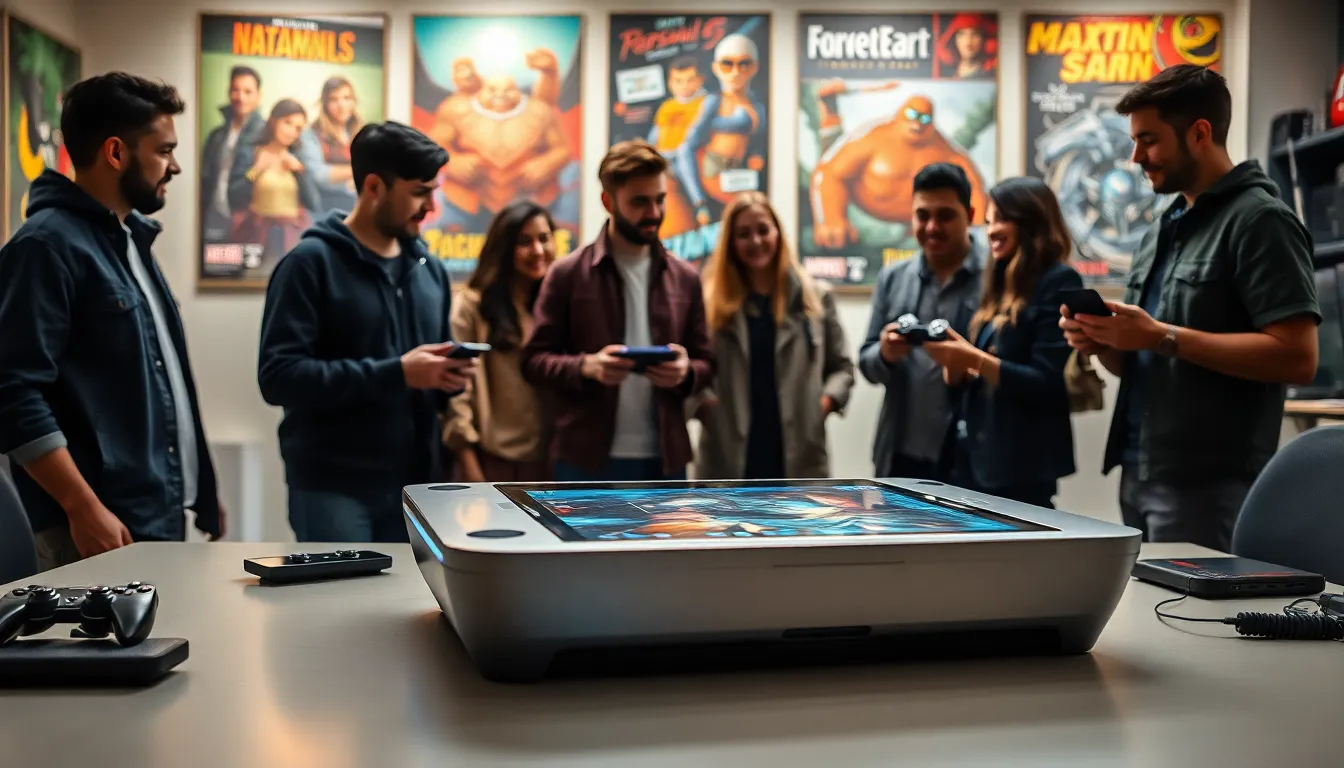

For decades, slot machines were associated with spinning reels, mechanical levers, flashing lights, and the familiar sound of coins dropping into a tray. The basic concept was straightforward: insert a stake, spin the reels, and wait for a combination of symbols. While that formula remains recognizable, technology has transformed almost every aspect of the slot experience.
Modern slots are no longer limited to physical machines in casinos. Digital platforms, advanced software, mobile devices, high-definition graphics, and interactive features have created a much broader form of entertainment. The transition from traditional slots to tech-powered gaming illustrates how innovation can reshape a familiar concept without completely removing its original appeal.
Table of Contents
ToggleThe Mechanical Era of Slot Machines
Traditional slot machines relied heavily on mechanical components. Reels physically rotated inside the cabinet, with symbols arranged across fixed positions. Players pulled a lever or pressed a button to start the mechanism, while the machine determined the outcome through its internal mechanics.
These machines had a distinctive atmosphere. The sounds of spinning reels, bells, and coins were part of the entertainment itself. Their simplicity also made them easy to understand. Players did not need tutorials or complex interfaces to begin playing.
However, mechanical systems had limitations. Physical reels restricted the number of possible combinations, while changing a game's theme or mechanics often required an entirely new machine. As digital technology developed, manufacturers gained opportunities to create more flexible and visually engaging experiences.
The Rise of Digital Technology
The introduction of computerized systems marked a major turning point. Instead of relying entirely on physical mechanisms, digital slots could use software-based random number generation to determine outcomes. This made it possible to create games with more reels, paylines, symbols, bonus features, and mathematical configurations.
Digital displays also changed the visual experience. Developers could introduce animated backgrounds, character-driven themes, soundtracks, and cinematic effects. A klik disini could now resemble a small interactive game rather than a simple machine with rotating symbols.
This evolution also made experimentation easier. Developers could build different themes and mechanics within software, allowing players to encounter a much wider variety of formats.
Online and Mobile Slots
The internet pushed the transformation even further. Online slots removed the need to visit a physical casino to access digital games. Players could interact with slot interfaces through computers, tablets, and smartphones, making the experience more accessible across different devices.
Mobile technology has been particularly influential. Responsive interfaces allow games to adapt to smaller screens, while touch controls replace physical buttons and levers. Faster internet connections have also supported richer graphics, smoother animations, and more sophisticated interactive elements.
For users, convenience is now a central part of digital entertainment. A modern slot experience can be designed around short sessions, intuitive navigation, and easy access across multiple devices.
Interactive Features and Immersive Design
Technology has also changed what players expect from slot games. Modern titles may include bonus rounds, animated characters, progressive features, interactive screens, and story-based themes. These elements add layers of engagement beyond simply watching reels spin.
Some games borrow design principles from video games, using missions, visual progression, achievements, and changing environments to create a more dynamic experience. High-quality audio and visual effects can further strengthen immersion.
Importantly, these innovations do not necessarily replace the traditional slot format. Instead, they build additional entertainment around the familiar reel-and-symbol structure.
The Role of Data and Personalization
Behind the interface, modern digital platforms can also use technology to improve how games are presented and managed. Data analytics can help operators understand general usage patterns, while software systems can support performance monitoring, security, and responsible gaming tools.
Digital platforms can also provide clearer information about game mechanics, including paylines, rules, and potential outcomes. This can help users make more informed decisions about how they interact with a game.
At the same time, technology brings greater responsibility. Secure systems, transparent game information, age restrictions, and responsible gaming features are increasingly important parts of the digital environment.
What Comes Next?
The journey from mechanical reels to sophisticated digital entertainment shows that technology does not necessarily have to eliminate traditional concepts. Instead, it can expand them. The familiar idea of spinning reels remains at the heart of many modern slots, but software, mobile technology, graphics, sound, and interactive design have transformed how that concept is experienced.
The future may bring even more experimentation through emerging technologies such as augmented reality, virtual reality, artificial intelligence, and increasingly personalized interfaces. Yet the fundamental appeal remains recognizable: a simple game structure combined with engaging themes and entertainment.
From traditional machines in brick-and-mortar casinos to software-driven experiences on connected devices, slot technology has continually adapted to changing expectations. The evolution demonstrates how a familiar form of entertainment can remain relevant by embracing innovation while retaining the core elements that made it recognizable in the first place.